
Adhesive vinyl or heat transfer vinyl — which one to choose?
Quick answer
Adhesive vinyl is for hard, smooth surfaces — mugs, glass, walls and laptops. Heat transfer vinyl is for textiles — T-shirts, bags and hoodies — and it is applied with heat. Only heat transfer vinyl holds up to washing on clothes.
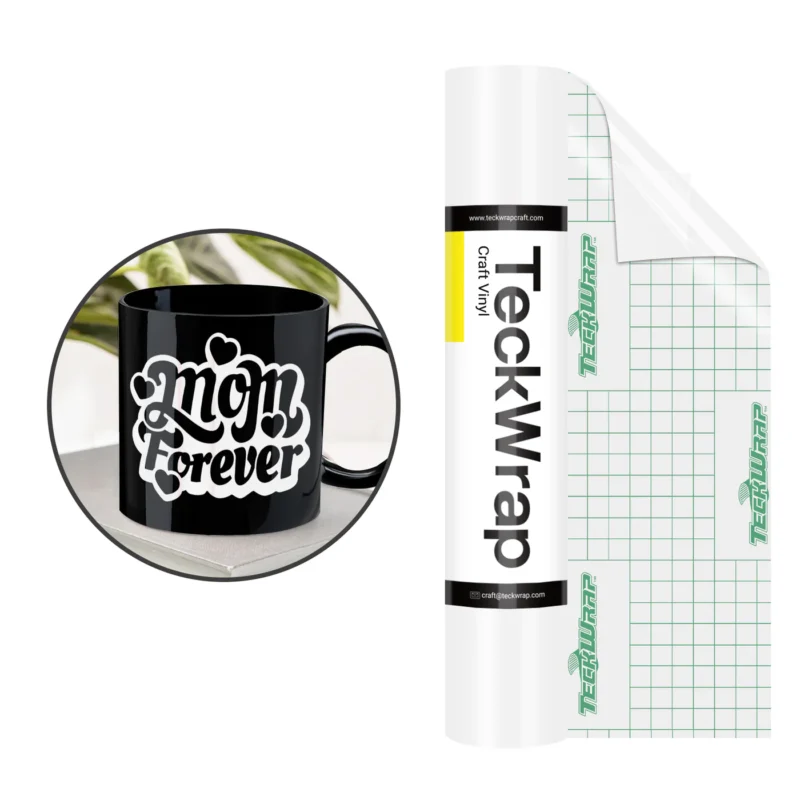
The two look alike and are cut with the same machine, but they attach to surfaces in completely different ways. In short: if the project is fabric, use heat transfer vinyl; if the surface is hard and smooth, use adhesive vinyl.
Adhesive vinyl: for hard, smooth surfaces
Adhesive vinyl has an adhesive that sticks as soon as you press it on — no heat needed. The cut design is moved onto the surface with transfer tape.
- mugs and glasses
- glass and windows
- walls
- laptops, phone cases and notebooks
- plastic and metal boxes, containers and signs
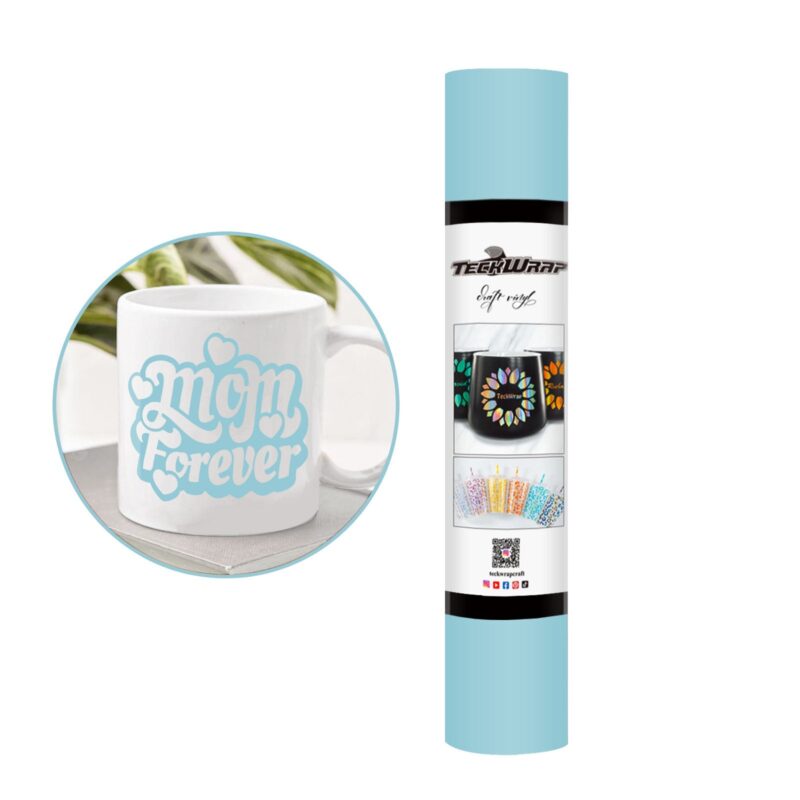
In our shop: 001G glossy and 001M matte adhesive vinyl, plus holographic, mirror chrome, glitter and color-changing adhesive vinyls.
Heat transfer vinyl: for clothing and textiles
The adhesive in heat transfer vinyl activates with heat, so it is applied with an iron or a heat press. Once applied, it stretches with the fabric and holds up to washing.
- T-shirts and sports shirts
- sweatshirts and hoodies
- tote bags and aprons
- pillowcases and other home textiles
In our shop: PRO PU heat transfer vinyl (lasts up to 50 washes), PU heat transfer vinyl, plus glitter, holographic, puff (3D) and glow-in-the-dark heat transfer vinyl.
Key differences
| Adhesive vinyl | Heat Transfer Vinyl | |
|---|---|---|
| Used on | Hard, smooth surfaces | Fabrics |
| How it sticks | With pressure | With heat and pressure |
| Cutting | As shown on screen | Mirrored |
| On the cutting mat | Colored side up | Shiny carrier sheet down |
| Transfer | With transfer tape | With its own carrier sheet |
| Washing | Hand-wash decorated dishes | Machine wash, cold water |
Can adhesive vinyl go on clothes?
No. The adhesive on adhesive vinyl isn't made for fabric: it won't survive washing and peels off when the fabric stretches. Heat transfer vinyl isn't meant for mugs or glass either — it's designed for fabric and holds poorly on hard, smooth surfaces.
If you can't decide
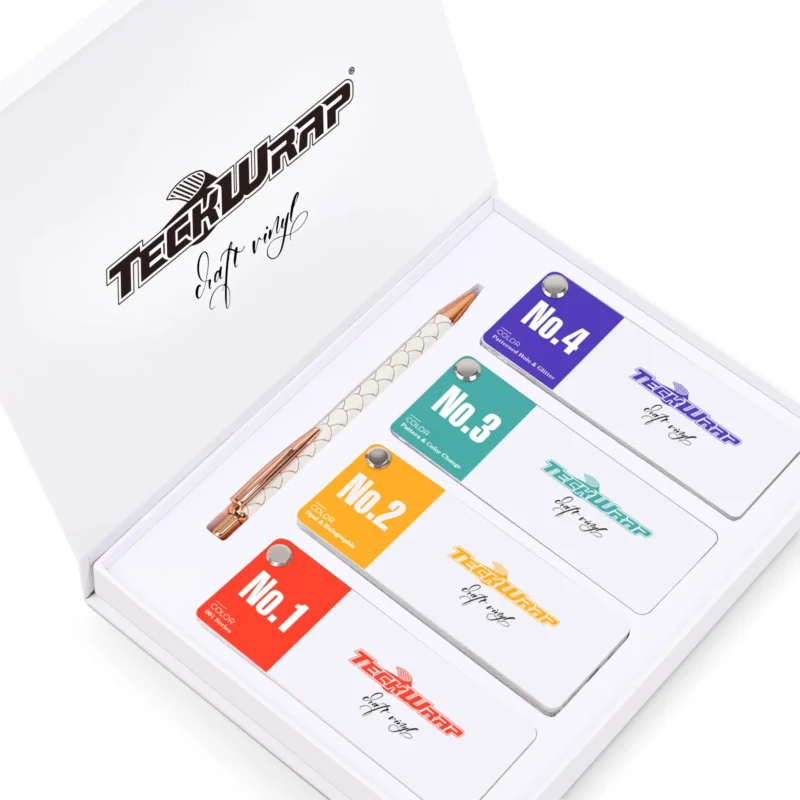
If you're just starting out, one adhesive vinyl for mugs and stickers and one PU heat transfer vinyl for shirts is plenty. To see every color and finish in real life before you buy, check out the vinyl sample catalog.
Used in this tutorial
More tutorials
All tutorials
How to choose transfer tape: low, medium or high tack
Choose transfer tape to match the vinyl: glossy and matte adhesive vinyl only need low or medium tack, glitter and textured vinyl need high tack, and heat transfer vinyl doesn't need transfer tape at all.

How to apply heat transfer vinyl with an iron: step by step
Cut the design in mirror image, weed the excess vinyl, pre-press the fabric, place the design and press with a hot iron without steam for 15–20 seconds in each spot. Peel off the carrier sheet once the design sticks to the fabric, and wait at least 24 hours before the first wash.